



We all understand the importance of a robust immune system- it’s how we fight off infection! But how exactly does your immune system fight off an infection? What is happening in your body when you get sick? What does inflammation have to do with it? In today’s post we’ll answer all those questions and also cover the steps you can take to optimize your immune function.
What is your immune system and how does it work?
Your immune system is a complex network of stages and pathways that recognize and quickly work to protect you from bacteria, viruses, parasites and even some diseases.
There are two main types of immunity innate and adaptive (or acquired):
| Innate Immunity First line of immunity, non-specific | Adaptive Immunity Acquired, targeted approach, has memory |
| a) Skin (acts as a barrier to keep pathogens out) b) Mucus (traps pathogens) c) Stomach acid (destroys pathogens) d) Enzymes in sweat & tears (create anti-bacterial compounds) e) Immune system cells (attack foreign cells entering our body) | a)Spleen b)Thymus c)Bone Marrow d)Lymph Nodes Together this group of cells and organs learn to recognize disease causing organisms and quickly eliminate them. They function in 2 main ways: 1. They create antibodies towards specific pathogens 2. Cause an uptick in the creation of immune cells that are specific to the offending organism, this includes white blood cells that help to fight off infection. The immune system can remember, and more efficiently eliminate intruding pathogens with future exposures. |

The immune system: Cells, tissues, function, and disease (medicalnewstoday.com)
What about autoimmune conditions, what are they?
Autoimmune conditions are those in which the immune system mistakenly attacks healthy tissues and cells. There is some genetic predisposition to autoimmune disorders, though the exact mechanism through which the body begins to recognize and attack healthy tissue is not fully understood. An example of an autoimmune disease includes Type 1 diabetes (where the body attacks the insulin producing (beta cells) of the pancreas.
What about allergies? Why doesn’t everyone have them?
Allergies are also mediated by the immune system. The interesting thing is that everyone reacts differently to “antigens” (which are basically any material that the body decides is harmful- dust, mold, pollen, pet hair, food). Our differing sensitivity to environmental antigens is why some people spend spring with puffy eyes and drippy noses, while others seamlessly transition into summer, unphased. The dramatic response is secondary to an exaggerated release of white blood cells.
Everyone is always talking about inflammation. How is the immune system related to inflammation?
Here is the tricky thing about inflammation, it’s a normal physiological response to infection. It is part of the innate immune system! When the body detects damage to healthy tissue, it releases a type of immune cell called the mast cells. This in turn causes the release of histamine (a protein) which results in 2 additional steps
- Inflammation (which is seen as redness, warmth or fever, swelling and pain)
- The release of white blood cells (to help fight infection)
The issue isn’t the inflammatory response itself, it’s more when it becomes chronic- in this case it can start damaging healthy tissue. More on that another day.
What factors affect optimal functioning of the immune system?
| Environmental toxins | Smoking, air pollution and excess alcohol- all of these can impair or suppress the normal function of immune cells |
| Poor sleep | Lack of sleep/rest can decrease the secretion of infection fighting cytokines and other immune cells |
| Malnutrition | Macro (protein, fat, carbohydrates) and micronutrients (vitamins and minerals) play a key role in immune cell function and production. Poor diet can result in deficiencies of these crucial macro and micronutrients |
| Obesity | Obesity may cause chronic low-grade inflammation through the production of adipocytokines (inflammatory cells made in fat tissue) Obesity may also impair white blood cell function |
| Chronic mental stress | Causes the release of cortisol which inhibits the inflammatory response needed to activate immune cells |
| Increasing age | Aging decreases the efficiency of immune cell producing organs (thymus and bone marrow) Changes in dietary habits may also result in macro/micronutrient deficiencies |
| Autoimmune disease & Immunodeficiency | Affects the function and production of immune cells |
Now that you understand what the immune system is and what it does, you’re ready to understand the role of dietary and supplemental vitamins, minerals and nutrients.
Micronutrients: vitamins and minerals
| Nutrient | Nutrient Metabolism | Anti-inflammatory or Anti-cancer effects | Pro-inflammatory or Tumor enhancing effects |
| Vitamin A | Active forms include retinal, retinoic acid (RA) and all-trans-retinoic acid (ATRA) Fat Soluble | Deficiency will result in increased susceptibility to infection Helps to restore mucosal barriers of innate immunity ATRA has anti-tumor effects on pancreatic cell lines and renal carcinoma ATRA is also used as a therapeutic agent in Acute Promyelocytic Leukemia | Can potentiate intestinal inflammation under inflammatory conditions (RA) |
| Vitamin B1 (Thiamine) | Water Soluble | Anti-inflammatory Prevents oxidative stress of microglial (brain) cells May be used as treatment for neurodegenerative disease | Speculation regarding its role in some cancers as it is a cofactor in both proliferation and energy pathways (essential for tumor growth) |
| Vitamin B2 (Riboflavin) | Water Soluble | Anti-inflammatory Antioxidant (especially in the lungs) | Supports inflammation and defense activity in the gut mucosa (a good type of inflammation!) |
| *Vitamin B3 (NAD, Niacin) | Water Soluble | Anti-inflammatory | May potentiate growth of tumor cells- active research is being done but increased levels of NAMPT (NAD producing enzyme found in mammals) was found in colorectal, breast, ovarian and prostate cancers, as well as glioma’s aggressive brain tumors with a poor prognosis |
| Vitamin B6 (Pyridoxine) | Water Soluble | Antioxidant Anti-inflammatory Deficiency may lead to tissue damage from formation of free radicals. May protect against cancer, especially GI cancer (unclear if this is causal or more so a reflection of a healthy human diet) | |
| Vitamin B7 (Biotin) | Water Soluble | Antioxidant Anti-inflammatory Deficiency may lead to alopecia, seizures | |
| Vitamin B9 (Folic acid) | Water Soluble | Antioxidant Anti-inflammatory Deficiency can lead to neural tube defects in developing a fetus | Concern that folate supplementation in those with established cancer, may promote tumor growth |
| Vitamin B12 (Cobalamin) | Water Soluble | Antioxidant Anti-inflammatory Depletion can lead to chronic inflammatory conditions such as insulin resistance and coronary heart disease | |
| Vitamin C | Water Soluble | Anti-inflammatory Antioxidant May have some anti-tumor properties (enhances natural killer cells) | |
| Vitamin D | Fat Soluble | Anti-inflammatory Has anti-cancer benefits May be used therapeutically and preventatively for cancer Involved in lung defense | |
| Vitamin E | Fat Soluble | Antioxidant Anti-inflammatory May have a role in mediating allergic and respiratory diseases (most effective for age related decline in immune function) | |
| Zinc (mineral) | Antioxidant Deficiency results in decreased resistance to infectious disease | ||
| Selenium (mineral) | Involved in thyroid, cardiovascular and immune systems Enhances vaccine mediated immune response | ||
| Iron | Antioxidant Deficiency can lead to increased risk of infection Involved in functioning of innate immune system | Free iron can be cytotoxic (kill cells) at high concentrations | |
| Magnesium | Anti-inflammatory Antioxidant Deficiency may result in cancer from chronic inflammation | ||
| Copper | Supports robust immune response to disease (helps develop immune cells) Key roles in innate and adaptive immunity |
*I will be doing a separate post on NAD and NAD+ given the recent buzz surrounding its supplementation.
Just how much, is too much?
Now that you are familiar with all the different vitamins and minerals that play a role in your immune system, I am sure you are wondering how to optimize your levels for maximal immune function.
Before you go buy buckets of vitamins and empty your wallet for random infusions, hear me out. When it comes to vitamins and minerals, more is not always better. In fact, in some cases, more may even be harmful to your health.
I will start with this-your body is surprisingly good at regulating its vitamin and mineral stores. Most of what we know about the role of vitamins in immune function is from studying states of deficiency. We really do not have much compelling evidence to support the maintenance of above normal (supraphysiologic) levels of vitamins and minerals. In fact, there is evidence to support the harmful effects of over supplementation. See the chart below to learn more about vitamin and mineral toxicity.
| Nutrient | Side effects of excess supplementation |
| Vitamin A | Drowsiness, irritability, nausea and vomiting Excess vitamin A supplementation may also be linked to lung cancer |
| Vitamin B1 | Generally non-toxic |
| Vitamin B2 | Generally non-toxic |
| Vitamin B3 | Red itchy skin, high blood pressure, stomach pain, vision impairment and liver damage |
| Vitamin B6 | Nausea and vomiting, heartburn, light sensitivity |
| Vitamin B9 | Bloating, loss of appetite, nausea, and vomiting |
| Vitamin B12 | Nausea, vomiting, headache and diarrhea |
| Vitamin C | Diarrhea, headaches, nausea and vomiting, heartburn |
| Vitamin D | Hypercalcemia, weakness, weight loss, nausea and vomiting |
| Vitamin E | Can affect blood clotting and cause a stroke |
| Zinc | Nausea and vomiting, diarrhea, stomach cramps |
| Selenium | Hair loss, nausea, fatigue, headaches, rash |
| Iron | Constipation, nausea and vomiting, stomach pain, diarrhea |
| Magnesium | Nausea, depression, cramping, weakness, stomach problems |
| Copper | Constipation, nausea and vomiting, stomach pain, diarrhea |
The Recommended daily intake (RDA) for all vitamins, minerals and nutrients can be accessed here: Nutrient Recommendations and Databases (nih.gov) or here Vitamins and Minerals – The Nutrition Source (harvard.edu)
Okay fine, how do I get enough vitamins and minerals, then?
If you’ve ever seen me in the office before, I say this all the time, and I really do mean it:
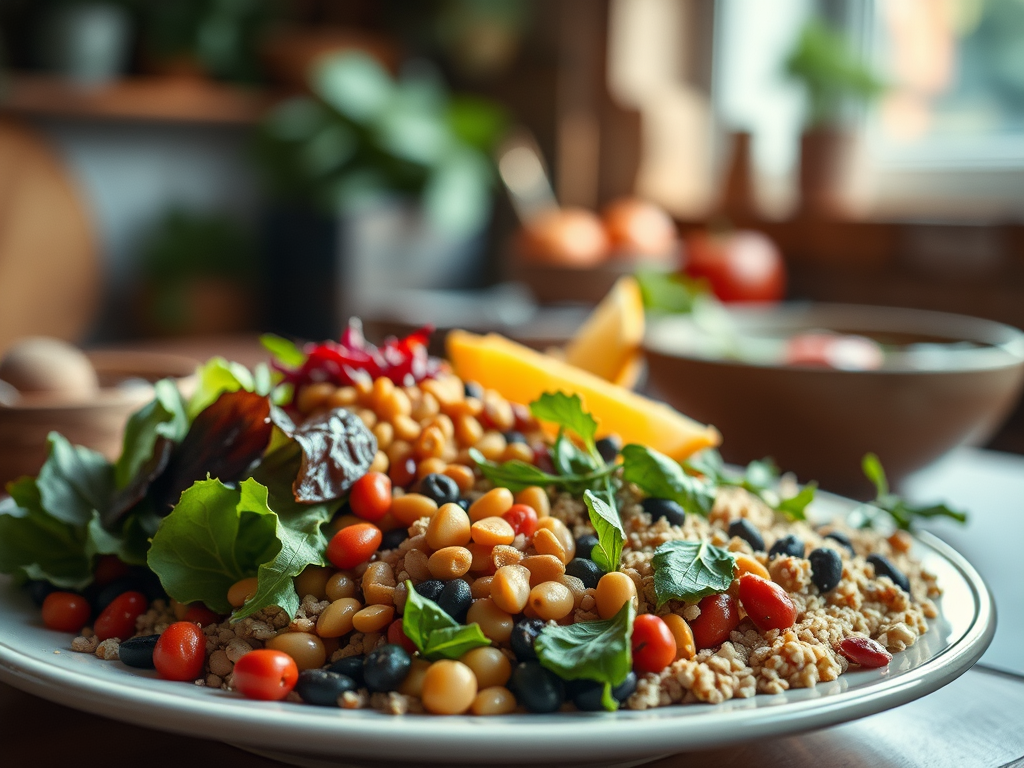
The best way to get all your vitamins and minerals is to eat the rainbow! Our gut is designed to extract vitamins and minerals from food. You are far less likely to experience vitamin and mineral toxicity trying to meet your daily needs from food sources. Not to mention that the extraction and subsequent processing of vitamins and minerals from food can never mimic the complex chemical makeup of the foods themselves. Many times, while the vitamin or mineral from food is beneficial on its own, the benefit is magnified by the interactions it has with other chemicals in the food. Plus, food just tastes better and doesn’t make you nauseated like most supplements.

Are there are vitamins or minerals you do recommend?
For strict vegetarians and vegans: a B complex can be helpful, B12 is an animal byproduct.
For everyone: It can be difficult to hit the RDA for vitamin D through diet alone. This powerhouse participates in optimizing bone health, reduces inflammation, helps support immune function and studies show it may even reduce cancer cell growth. This is one you will want to supplement.
For adults 19-70 you need about 600 IU or 15 micrograms a day
For adults over 70 you need 800 IU or 20 micrograms a day
These are general recommendations; it is best to talk to your doctor for personalized dosing.
In the meantime, here is a great resource to help learn about foods that are rich in different vitamins and minerals: The best foods for vitamins and minerals – Harvard Health
What about herbals?
Garlic: may have antiviral properties and reduce the duration and severity of colds, antioxidant, may lower cholesterol and blood pressure, may improve athletic performance
Ginger: may have antibacterial properties- also shows benefit for pain relief, treatment of nausea, and may lower cholesterol
Echinacea: best to take at onset of illness, claims to increase both innate and adaptive immune response, also thought to have antiviral activity.
Elderberry: May reduce cold symptoms, and speed up recovery, has antiviral properties
Turmeric: anti-inflammatory and antioxidant, may increase levels of mood boosting dopamine and serotonin in the brain.
What is a flavonoid?
A naturally occurring plant chemical that has medicinal properties including anticancer, anti-inflammatory, antioxidant and antiviral. Flavonoids are what give fruits and vegetables their vibrant colors- they are from a broader class of naturally occurring chemicals called polyphenols. More on this in a separate post.
So, if I don’t need vitamins, and I don’t need minerals and I don’t need fancy infusions, how do I optimize my immune function?
1. Eat the Rainbow (it’s okay to take a multivitamin if you don’t feel you’re getting a variety of nutrients in your diet but remember that this is to supplement a balanced diet, rather than replace it.)
If you elect to use a multivitamin, make sure it has the RDA amounts and the USP (United States Pharmacopeia) seal of approval- which verifies amounts of listed ingredients and ensures that your vitamin is free of harmful contaminants.
2. Get plenty of rest (aim for 7-9 hours a night, remember sleep is a time for your body to heal and repair, we also release important proteins that help us mount an immune response to infection)
3. Quit smoking (or do not start- smoking causes chronic inflammation and impairs immunity, especially in the respiratory system!)
4. Avoid excess alcohol intake (excess or prolonged alcohol consumption weakens your immune system)
5. Maintain a healthy weight (decreases chronic inflammation)
6. Get regular exercise (increases circulating immune cells from improved blood flow & helps to manage stress and improve sleep!)
7. Control your stress levels (to minimize the release of cortisol)
If these things sound familiar, it’s because we’ve already discussed them, now go eat some vegetables, take a brisk walk, then meditate and go to bed, you can skip the nightcap!
Sincerely,
Corsano MD- your friendly neighborhood PCP
Resources: Cleveland clinic, Harvard nutrition and immunity Nutrition and Immunity – The Nutrition Source (harvard.edu) ,

Leave a Reply