



Tag: primary care
-

Pharmaceutical Options for Weight Loss: A Comprehensive Guide
Read More: Pharmaceutical Options for Weight Loss: A Comprehensive GuideThe post discusses medical options for managing obesity, focusing on various anti-obesity medications, their effectiveness, contraindications, side effects, and costs. It highlights the importance of lifestyle changes alongside medication, emphasizing the significant role of GLP-1 and GIP in weight management. Bariatric surgery is also mentioned as an effective treatment option for certain individuals.
-

Effective Lifestyle Changes for Sustainable Weight Management
Read More: Effective Lifestyle Changes for Sustainable Weight ManagementThe content discusses the management of obesity through dietary and lifestyle changes, emphasizing the importance of macronutrients: carbohydrates, proteins, and fats. It highlights that while weight loss requires a caloric deficit, sustainable change comes from lifestyle adjustments rather than temporary diets. Additionally, it underlines the role of sleep and exercise in weight management.
-

The Challenges of Obesity: Causes and Management Strategies
Read More: The Challenges of Obesity: Causes and Management StrategiesObesity is a significant and growing issue in the U.S., with over 35% of adults affected. This post discusses how obesity is defined, the limitations of BMI, health risks associated with excess weight, and factors influencing obesity. Effective weight management requires a comprehensive understanding and tailored strategies addressing multiple causes.
-

Testosterone Pellets: A Solution for Menopause Symptoms?
Read More: Testosterone Pellets: A Solution for Menopause Symptoms?Testosterone replacement therapy is increasingly considered for managing menopausal symptoms in women, offering potential benefits like improved mood and libido. However, concerns about side effects and a lack of long-term studies complicate its use. Medical professionals debate its efficacy, emphasizing the need for more research and careful patient assessment.
-

Debunking Myths about Bioidentical Hormones
Read More: Debunking Myths about Bioidentical HormonesThe post discusses hormone replacement therapy (HRT) for menopause, emphasizing that compounded bioidentical hormones are not necessarily safer or more effective than FDA-approved options. It clarifies that natural hormones prescribed by doctors are often plant-based and highlights the importance of symptom management over hormone levels. Advocacy for informed decisions is encouraged.
-

How to Optimize Health Naturally During Perimenopause and Menopause
Read More: How to Optimize Health Naturally During Perimenopause and MenopauseNavigating perimenopause and menopause can be challenging with varying information on hormone health. While hormone replacement therapy is beneficial, not all women require it. Key supportive health strategies include Vitamin D, magnesium, creatine, omega-3s, probiotics, fiber, adequate protein, and exercise. Prioritizing mental health is essential during this transition.
-

Perimenopause and Menopause: Essential Insights & Management Options for Women
Read More: Perimenopause and Menopause: Essential Insights & Management Options for WomenMenopause is a natural transition marked by the cessation of menstrual cycles, typically occurring between ages 45-55, due to decreased estrogen levels. Perimenopause precedes it, characterized by hormonal fluctuations. Symptoms include hot flashes, mood changes, and urinary issues. Treatment options range from hormonal therapy to lifestyle changes, focusing on managing symptoms and maintaining health.
-
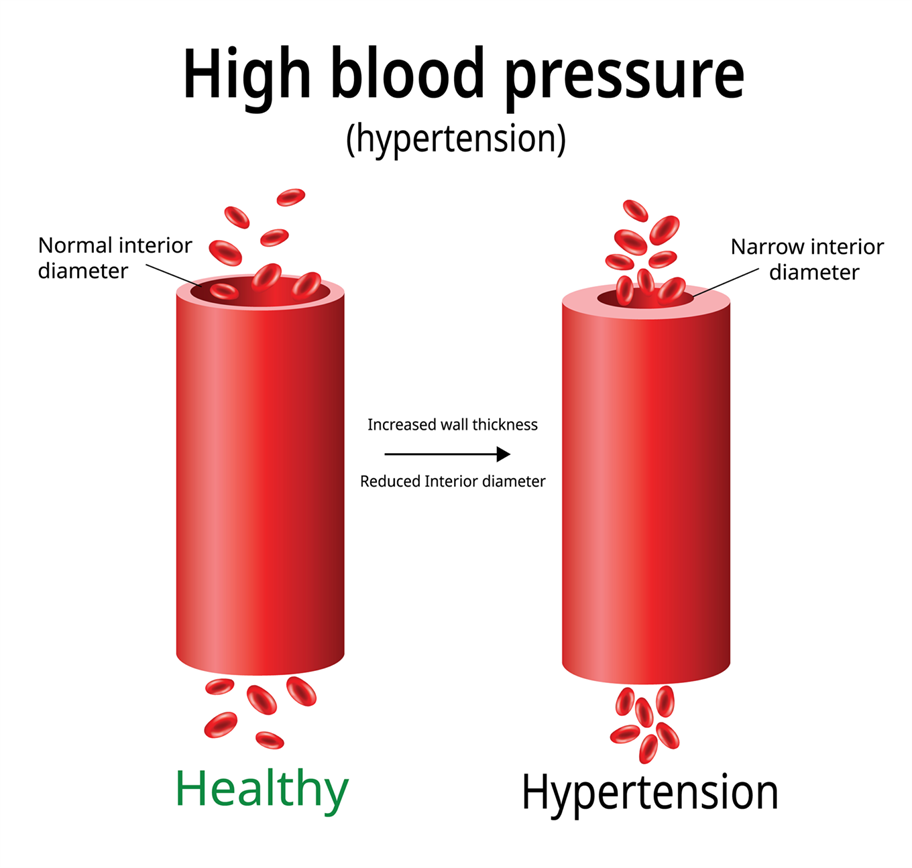
Understanding High Blood Pressure: Risks, Diagnosis, and Treatment
Read More: Understanding High Blood Pressure: Risks, Diagnosis, and TreatmentHigh blood pressure, or hypertension, is a common condition with serious health implications. It increases the risk of heart disease, stroke, and other severe health issues. Only a quarter of adults with high blood pressure have it under control. Risk factors include lifestyle, family history, age, weight, and certain health conditions. Regular monitoring and lifestyle…
-

Breast Cancer Screening Guidelines for High-Risk Individuals
Read More: Breast Cancer Screening Guidelines for High-Risk IndividualsThe ACS recommends annual mammography and breast MRI starting at age 30 for females at high risk of breast cancer. High-risk factors include genetic mutations, family history, radiation exposure, and specific syndromes. Risk assessment tools like Gail and BRCAPRO can help gauge individual risk. Personalized screening plans with healthcare providers are essential for managing breast…
-

Understanding Breast Density: Implications and Screening
Read More: Understanding Breast Density: Implications and ScreeningAs a primary care physician, I frequently address breast cancer screening, particularly in women with high density breast tissue. High density breast tissue affects mammogram readings and increases cancer risk. While annual mammography is essential, a 3D mammogram is advisable for better detection. Additional tests, such as MRI and breast ultrasound, may be recommended based…
Search
Popular Posts
-
Pharmaceutical Options for Weight Loss: A Comprehensive Guide
The post discusses medical options for managing obesity, focusing on various anti-obesity medications, their effectiveness, contraindications, side effects, and costs. It highlights the importance of lifestyle changes alongside medication, emphasizing the significant role of GLP-1 and GIP in weight management. Bariatric surgery is also mentioned as an effective treatment option for certain individuals.
-

Exploring the Role of Gut Health in Obesity
The gut microbiome significantly influences weight management by affecting individual responses to diet and activity levels. Factors like genetics and dietary habits determine gut bacteria diversity, impacting health outcomes. Beneficial bacteria, such as Akkermansia muciniphila, enhance metabolic processes and promote weight loss. Dietary modifications can improve microbiome health and support weight management.
-
Effective Lifestyle Changes for Sustainable Weight Management
The content discusses the management of obesity through dietary and lifestyle changes, emphasizing the importance of macronutrients: carbohydrates, proteins, and fats. It highlights that while weight loss requires a caloric deficit, sustainable change comes from lifestyle adjustments rather than temporary diets. Additionally, it underlines the role of sleep and exercise in weight management.
Categories
Archives
Tags
bioidentical hormones (1) bone health (1) breast cancer screening (2) cancer prevention (2) cardiovascular disease (1) cardiovascular health (1) chronic disease (1) estrogen replacement (1) functional foods (2) genitourinary symptoms (1) gut health (2) gut microbiome (2) gynecology (7) heart health (2) holistic care (1) hormone balancing (1) hormone optimization (1) hormone replacement (1) hormone replacement therapy (2) hormone therapy (1) hot flahses (1) immune function (4) immune system (2) important nutrients (1) menopausal management (1) menopause (4) mood changes (1) natural hormones (1) natural medicine (4) night sweats (1) obesity medicine (2) perimenopause (4) PMS (1) preventative medicine (3) prevention (2) primary care (11) progesterone replacement (1) stress resistance (1) synthetic hormones (1) treatment (2) vaginal dryness (1) weight management (2) WHI (1) women's health initiative (1) womens health (8)