



Author: drjain
-

Unveiling the Power of Adaptogens in Stress Management
Read More: Unveiling the Power of Adaptogens in Stress ManagementAdaptogens are herbal and nutritional products that promote adaptability and resilience in times of stress. They modulate the neuroendocrine and immune systems and restore balance in holistic medicine traditions. Over 100 adaptogens have been identified, each with unique benefits and cautions. It’s important to consult with a physician before use, as they may interact with…
-
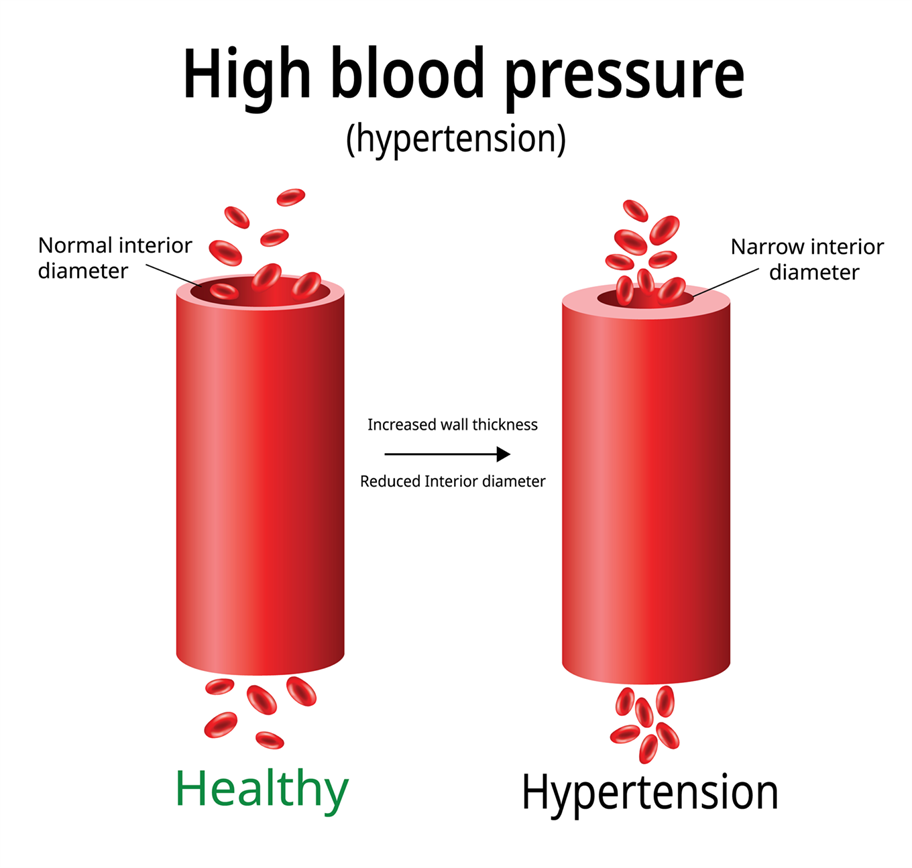
Understanding High Blood Pressure: Risks, Diagnosis, and Treatment
Read More: Understanding High Blood Pressure: Risks, Diagnosis, and TreatmentHigh blood pressure, or hypertension, is a common condition with serious health implications. It increases the risk of heart disease, stroke, and other severe health issues. Only a quarter of adults with high blood pressure have it under control. Risk factors include lifestyle, family history, age, weight, and certain health conditions. Regular monitoring and lifestyle…
-
Supporting a Healthy Gut Microbiome: Insights into Chronic Disease Prevention
Read More: Supporting a Healthy Gut Microbiome: Insights into Chronic Disease PreventionGut health is increasingly linked to overall well-being and chronic diseases like diabetes, heart disease, and mental health conditions. This is due to the gut microbiome’s influence on various physiological processes. To support gut health, minimize antibiotic and alcohol use, limit saturated fats and refined carbs, eat a variety of fruits and vegetables, and consider…
-
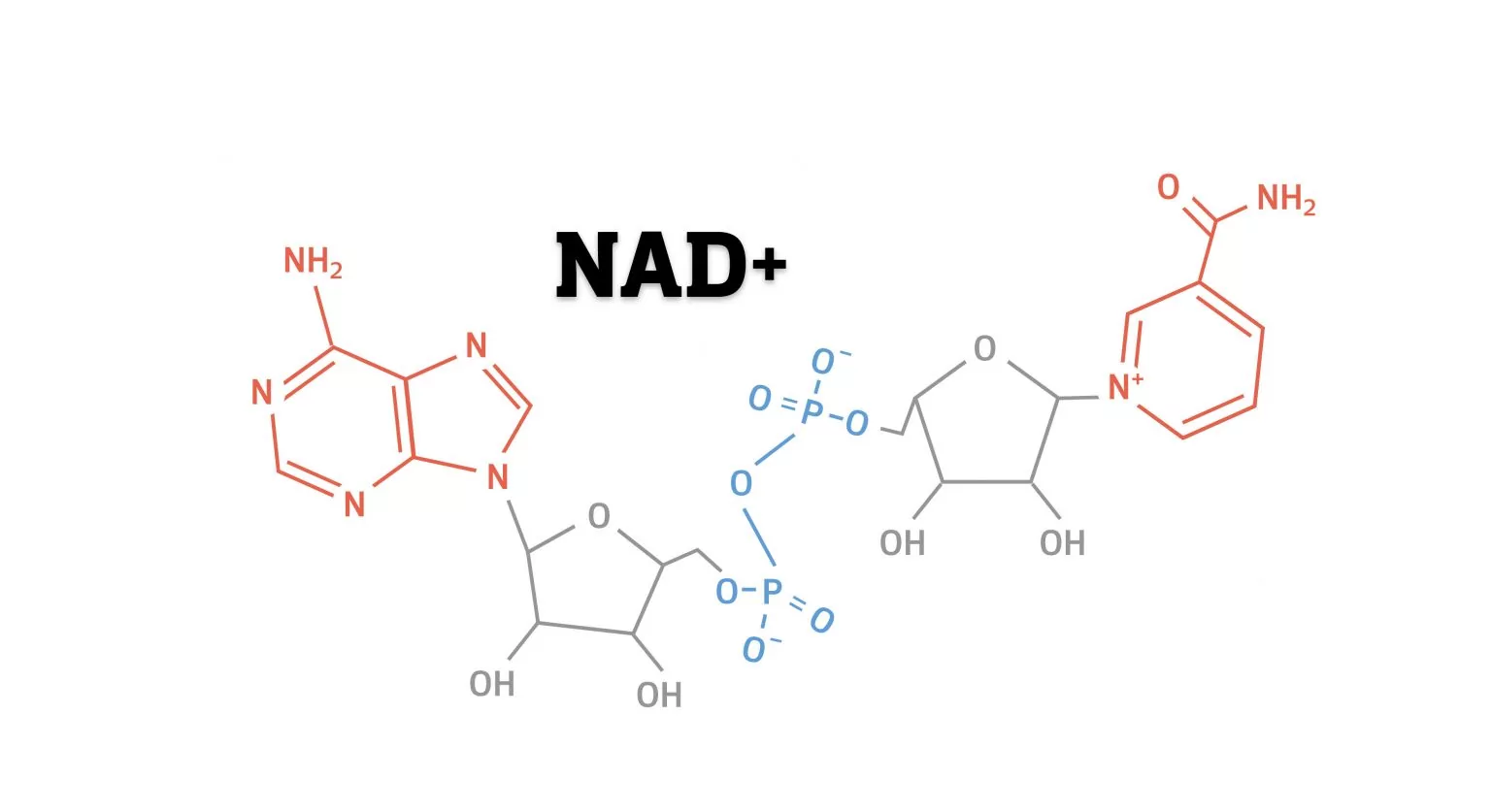
Understanding NAD+ and Its Impact on Health and Aging
Read More: Understanding NAD+ and Its Impact on Health and AgingThe quest for the “fountain of youth” has evolved from a mythical pursuit to finding NAD+, an energy-generating molecule, considered a potential miracle supplement. NAD+ plays a crucial role in cellular and metabolic functions and is linked to aging, diseases, and cancer growth. Although promising, cautiousness is advised due to the need for more human…
-

The Role of Polyphenols in the Human Body: Antioxidant and Anti-Inflammatory Properties
Read More: The Role of Polyphenols in the Human Body: Antioxidant and Anti-Inflammatory PropertiesU.S. consumers spent nearly 54 billion dollars on nutritional supplements in 2023, with growing interest in preventative medicine and the role of proper nutrition. Polyphenols, found in various fruits, vegetables, drinks, fats, and spices, offer protective effects against Alzheimer’s, inflammation, cancer, heart disease, type 2 diabetes, and obesity. While supplementation is an option, obtaining polyphenols…
-

Breast Cancer Screening Guidelines for High-Risk Individuals
Read More: Breast Cancer Screening Guidelines for High-Risk IndividualsThe ACS recommends annual mammography and breast MRI starting at age 30 for females at high risk of breast cancer. High-risk factors include genetic mutations, family history, radiation exposure, and specific syndromes. Risk assessment tools like Gail and BRCAPRO can help gauge individual risk. Personalized screening plans with healthcare providers are essential for managing breast…
-

Understanding Breast Density: Implications and Screening
Read More: Understanding Breast Density: Implications and ScreeningAs a primary care physician, I frequently address breast cancer screening, particularly in women with high density breast tissue. High density breast tissue affects mammogram readings and increases cancer risk. While annual mammography is essential, a 3D mammogram is advisable for better detection. Additional tests, such as MRI and breast ultrasound, may be recommended based…
-

Understanding Mammography Guidelines and Breast Cancer Detection
Read More: Understanding Mammography Guidelines and Breast Cancer DetectionBreast cancer screening guidelines for average risk females include starting mammograms at age 40, getting one every 1-2 years until age 74, and considering 3D mammography for better detection. Clinical breast exams and breast self-awareness play crucial roles in early detection. Regular screening and awareness contribute to declining mortality and increased survival rates.
-

Optimizing Immune Function: Practical Tips and Dietary Recommendations
Read More: Optimizing Immune Function: Practical Tips and Dietary RecommendationsThe immune system is a complex network that protects the body from harmful pathogens. It consists of innate and adaptive immunity and is influenced by factors like environmental toxins, diet, obesity, and stress. Micronutrients like vitamins and minerals play a crucial role in immune function, but excessive supplementation can be harmful. A balanced diet, rest,…
-

Upper Respiratory Illnesses: Symptoms, Treatment, and Prevention
Read More: Upper Respiratory Illnesses: Symptoms, Treatment, and PreventionAs the school year begins, the spread of upper respiratory illnesses becomes a concern for many. Understanding the viruses, symptoms, and ways to manage the illness can help navigate the upcoming cold and flu season. From recognizing symptoms to preventive measures, being informed is key to staying healthy.
Search
Popular Posts
-

Pharmaceutical Options for Weight Loss: A Comprehensive Guide
The post discusses medical options for managing obesity, focusing on various anti-obesity medications, their effectiveness, contraindications, side effects, and costs. It highlights the importance of lifestyle changes alongside medication, emphasizing the significant role of GLP-1 and GIP in weight management. Bariatric surgery is also mentioned as an effective treatment option for certain individuals.
-

Exploring the Role of Gut Health in Obesity
The gut microbiome significantly influences weight management by affecting individual responses to diet and activity levels. Factors like genetics and dietary habits determine gut bacteria diversity, impacting health outcomes. Beneficial bacteria, such as Akkermansia muciniphila, enhance metabolic processes and promote weight loss. Dietary modifications can improve microbiome health and support weight management.
-

Effective Lifestyle Changes for Sustainable Weight Management
The content discusses the management of obesity through dietary and lifestyle changes, emphasizing the importance of macronutrients: carbohydrates, proteins, and fats. It highlights that while weight loss requires a caloric deficit, sustainable change comes from lifestyle adjustments rather than temporary diets. Additionally, it underlines the role of sleep and exercise in weight management.
Categories
Archives
Tags
bioidentical hormones (1) bone health (1) breast cancer screening (2) cancer prevention (2) cardiovascular disease (1) cardiovascular health (1) chronic disease (1) estrogen replacement (1) functional foods (2) genitourinary symptoms (1) gut health (2) gut microbiome (2) gynecology (7) heart health (2) holistic care (1) hormone balancing (1) hormone optimization (1) hormone replacement (1) hormone replacement therapy (2) hormone therapy (1) hot flahses (1) immune function (4) immune system (2) important nutrients (1) menopausal management (1) menopause (4) mood changes (1) natural hormones (1) natural medicine (4) night sweats (1) obesity medicine (2) perimenopause (4) PMS (1) preventative medicine (3) prevention (2) primary care (11) progesterone replacement (1) stress resistance (1) synthetic hormones (1) treatment (2) vaginal dryness (1) weight management (2) WHI (1) women's health initiative (1) womens health (8)